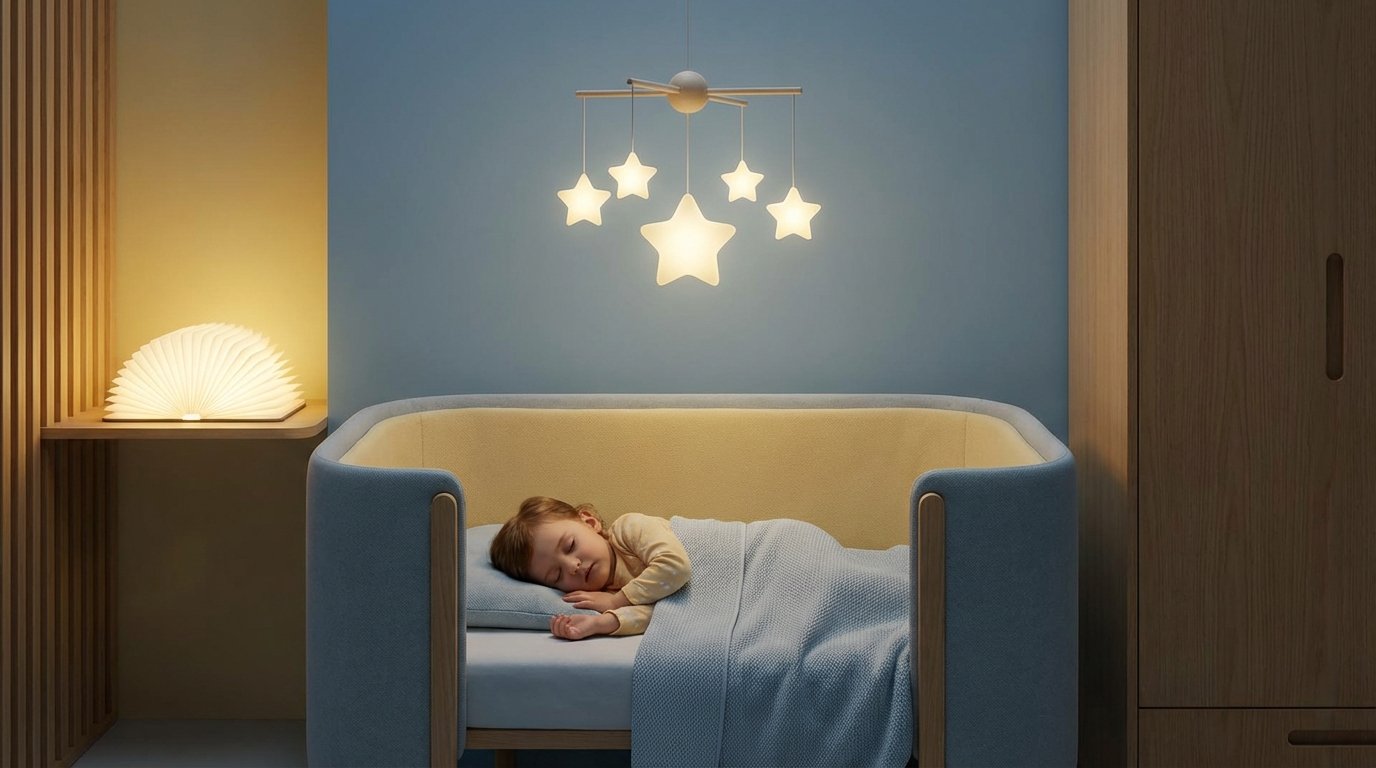
Hello dear parents! Perhaps right now, you’re at your little angel’s bedside, searching for remedies to help them finally fall asleep. Rings under your eyes from sleeplessness, questions swirling in your mind… You’re not alone! Sleep problems in children are quite common and solvable. Take a deep breath, sip your coffee, and let’s look at this together.
Actually, the truth is this: Sleep isn’t just about resting; it’s also vital for your child’s development. Good sleep facilitates learning, strengthens immunity, and provides emotional balance. So, why is your little bird having trouble sleeping? Here are a few possible reasons:
- Poor Sleep Habits: Irregular sleep times, excessive screen time, or consuming sugary foods before bed.
- Anxiety and Stress: A problem at school, tension within the family, or separation anxiety.
- Physical Discomfort: Teething, stomach pain, or allergic reactions.
So, what should you do? Here are a few practical solutions:
1. Create a Routine: Going to bed and waking up at the same time every day regulates your child’s biological clock. You can create a relaxing routine before bed, such as a warm bath, reading a book, or a light massage. Just imagine, doing the same things at the same time every evening signals to your child that it’s bedtime!
2. Say Goodbye to Screens: Turn off screens like televisions, tablets, and phones at least an hour before bed. The blue light emitted from these devices inhibits the production of melatonin, the sleep hormone.
3. Pay Attention to Diet: Avoid giving heavy meals or sugary snacks before bed. Eat dinner early and you can give them something light before bed (for example, a glass of milk or a slice of cheese).
4. Create a Safe Environment: Make sure your child’s bed is comfortable, quiet, and dark. If you use a night light, choose a dim light. Perhaps you can also let them take their favorite teddy bear with them.
5. Be Patient: It takes time to develop new habits. You may struggle at first, but don’t give up. When you apply it consistently and patiently, your child’s sleep pattern will improve over time.
What Can Be Done at Home for Sleep Problems in Children?
Remember, every child is different. While these methods may work for some children, different approaches may be needed for others. Considering your child’s needs, try to find the solutions that work best for them.
Perhaps it has happened to you, your child wakes up at night and wants to come to you. In this case, gently take them back to their own bed and sit with them for a while. Make them feel safe and help them fall back asleep.
If sleep problems persist, don’t hesitate to consult a pediatrician or sleep specialist. Experts can provide you with a more detailed assessment and suggest a more personalized treatment plan.
Finally, don’t forget to take care of yourself too! A sleep-deprived parent is tired and stressed. This can negatively affect your relationship with your child. Take time for yourself, rest, and relax. Remember, a happy parent means a happy child!
I hope this article helps you solve your child’s sleep problems. Sweet dreams!